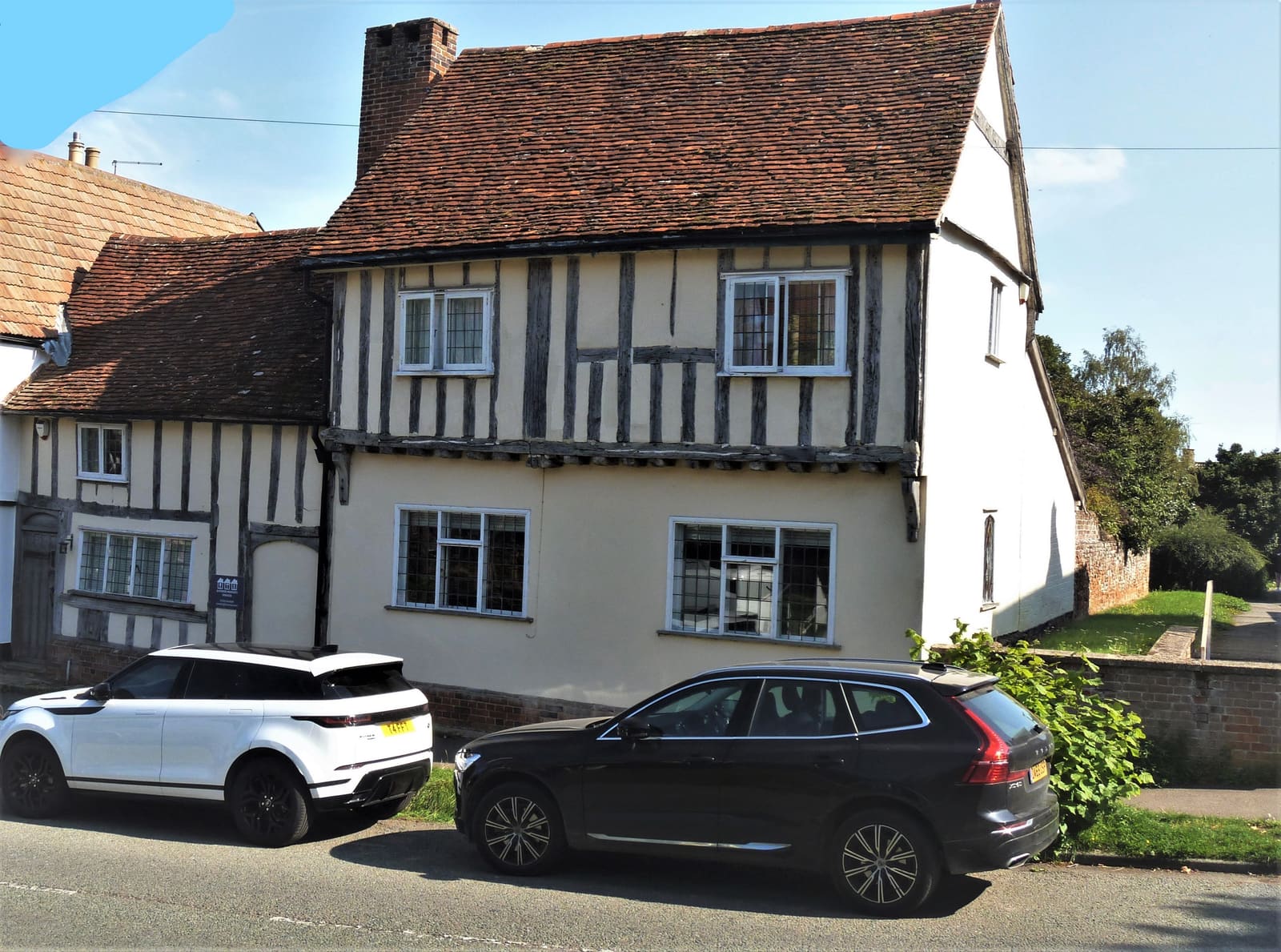
Owning a listed building is a privilege with a contract attached: the state has decided the building matters to everyone, and in exchange for living in it you accept real limits on what you may change — inside as well as out — and real costs when you do. Conservation areas are the milder, area-wide version of the same bargain.
None of this should frighten you off; hundreds of thousands of people happily own listed homes. But you should buy one knowing exactly which rules apply, because ignorance is not a defence — literally, in the criminal-law sense.
The grades, and what is actually listed
England lists buildings in three grades. Grade I is for buildings of exceptional interest; Grade II* for particularly important buildings of more than special interest; Grade II — the overwhelming majority — for buildings of special interest. Wales uses the same grades, administered by Cadw. You can check any building's status and read its list entry free on the National Heritage List for England.
Crucially, listing covers the whole building — interiors, later extensions, and often boundary walls and outbuildings within the curtilage that pre-date 1948 — not just the pretty façade. The list entry's description is not an inventory of what is protected; it is the building itself that is listed, described or not.
Sources: Historic England — the National Heritage List · Cadw — listed buildings in Wales
Listed building consent: the rule people underestimate
Any works — internal or external — that affect the building's character as a building of special interest need listed building consent from the council before they start. That routinely includes things ordinary owners assume are theirs to decide: replacing windows, removing a chimney breast or internal wall, stripping plaster, changing doors, even some repairs if done in the wrong materials.
Carrying out such works without consent is a criminal offence, with unlimited fines available and — unlike ordinary planning breaches — no time limit on enforcement. Liability follows the building: buy a Grade II cottage with an unauthorised 1990s kitchen knock-through and the council can require reinstatement from you, decades later. This is why a specialist survey and a hard look at past works matter more for listed homes than for anything else you will ever buy.
What it costs to own one
Listed homes cost more to keep, for honest reasons: repairs must often use traditional materials and methods (lime plaster and mortar, single-glazed timber sashes, handmade tiles), the pool of craftspeople is smaller, and consent adds time and design fees to projects. Insurance needs care too — rebuild cost for a listed building is typically well above market value because reinstatement must be like-for-like, so use a specialist insurer or a proper rebuild assessment rather than a standard calculator.
Energy is the other budget line: solid walls, single glazing and open chimneys mean many listed homes sit in EPC bands E–G, and the upgrade options are constrained (consent is needed where works affect character, though sensitive measures — and increasingly, slimline or secondary glazing — are frequently approved). Sketch the running-costs picture before you commit:
Illustrative only: energy figures are band-typical for an average 3-bed and swing with usage and prices; council tax uses the England Band D average (~£2,392 for 2026/27) scaled by the statutory ninths — your council will differ. Excludes water, broadband, insurance and maintenance.
The VAT quirk, in one paragraph
A persistent myth says works to listed buildings are VAT-free. That ended in October 2012, when the zero rate for "approved alterations" was abolished: repairs and alterations to listed homes are now standard-rated at 20% like any other building work. The surviving reliefs are narrower — 0% VAT on qualifying energy-saving materials (a relief currently scheduled to run until March 2027), 5% on some residential conversions and on renovating homes empty for two years or more. Budget listed-building works at full VAT and treat any relief as a bonus your builder's accountant confirms.
Conservation areas and Article 4 directions
A conservation area protects the character of a whole neighbourhood rather than a single building. The baseline rules: demolition of most buildings needs consent, works to trees require six weeks' written notice to the council, and permitted development rights are trimmed (side extensions, cladding, dormers and satellite dishes facing the street typically need applications that would elsewhere be automatic).
Many conservation areas go further via Article 4 directions, which remove specific permitted development rights street by street — most commonly for front windows and doors, roofing materials, porches and boundary walls. This is the detail that catches buyers: replacing rotten timber sashes with uPVC is exactly the kind of change an Article 4 direction exists to stop. Check the council's conservation-area appraisal and any Article 4 schedule before you buy, not when the window fitter quotes.
Due diligence for a listed or conservation-area purchase
The checks, in order:
- Read the list entry on the National Heritage List (or Cadw's register) and walk the building against it.
- Reconcile every alteration you can see with listed building consents on the council's register; ask the seller for the paper trail in writing.
- Commission a surveyor with genuine historic-building experience — a standard survey underplays exactly the defects that matter here.
- Get a specialist insurance quote with a proper rebuild figure before exchange.
- Ask the council's conservation officer (or check its published appraisals) about Article 4 directions and what has recently been approved or refused nearby.
- Budget maintenance honestly: lime, timber and craftsmanship cost more than their modern substitutes, every time.